



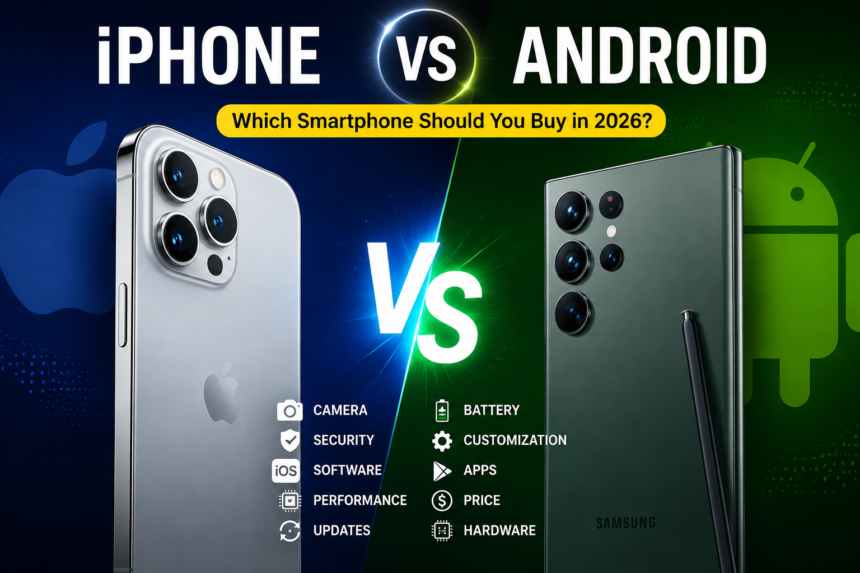
iPhone vs Android: Which Smartphone Should You Buy in 2026?
Choosing between an iPhone and an Android smartphone is one of the biggest decisions for anyone buying a new phone. Both platforms have improved significantly over the years, offering excellent performance, advanced cameras, AI-powered features, and strong security. However, the right choice depends on your budget, preferences, and how you use your smartphone every day.
Quick Comparison
| Feature | iPhone | Android |
|---|---|---|
| Operating System | iOS | Android |
| Customization | Limited | Excellent |
| Software Updates | 5–7 Years | Depends on Brand |
| Camera | Excellent Video | Excellent Photos & Zoom |
| Charging Speed | Moderate | Very Fast |
| Price Range | Premium | Budget to Premium |
Design & Build Quality
Apple focuses on premium materials such as aluminum, titanium, and high-quality glass to create a consistent design across its iPhone lineup. Android phones are available in a much wider variety of designs, materials, and sizes. Brands like Samsung, OnePlus, Xiaomi, and Google offer unique styling, foldable devices, and innovative form factors.
Display Comparison
Modern iPhones feature bright OLED displays with excellent color accuracy and smooth refresh rates. Android smartphones offer a wider range of display options, including AMOLED panels, higher refresh rates, larger screens, and foldable displays depending on the price segment.
Performance
Apple designs both the hardware and software for the iPhone, resulting in excellent optimization and smooth performance. Android smartphones use processors from Qualcomm, MediaTek, and Google, offering powerful performance across different price ranges. Flagship Android phones deliver gaming and multitasking performance comparable to the latest iPhones.
Camera Quality
iPhones are well known for consistent image processing, realistic colors, and industry-leading video recording capabilities. Android smartphones often provide more flexibility with higher zoom levels, larger camera sensors, AI photography, and additional camera modes depending on the manufacturer.
More Read

Battery Life
Battery performance has improved significantly on both platforms. Many Android smartphones now include batteries larger than 5000mAh along with ultra-fast charging. iPhones typically prioritize software optimization, delivering excellent battery life even with smaller battery capacities.
Charging Speed
Android smartphones generally lead in charging technology, with many models supporting 80W, 100W, or even faster charging speeds. iPhones support fast charging as well but usually at lower wattages compared to flagship Android devices.
Software Experience
iOS offers a simple, clean, and consistent experience with long-term software updates. Android provides greater flexibility, allowing users to customize themes, launchers, widgets, default apps, and many other settings to suit personal preferences.

AI Features
Artificial intelligence is becoming a major part of modern smartphones. Apple continues expanding on-device intelligence features, while Android manufacturers such as Samsung, Google, and Xiaomi provide AI-powered photo editing, live translation, smart search, voice assistants, and productivity tools.
Gaming Performance
Both platforms offer excellent gaming performance. iPhones are highly optimized for popular mobile games, while flagship Android devices provide high refresh rate displays, advanced cooling systems, and gaming-focused software enhancements.
Security & Privacy
Apple emphasizes privacy with features such as App Tracking Transparency and strong security controls. Android has also improved significantly with regular security updates, app permission controls, biometric authentication, and Google Play Protect.
App Ecosystem
Both platforms provide access to millions of applications. The Apple App Store maintains strict review guidelines, while Google Play Store offers a broader selection of apps and greater flexibility for developers and users.
Pros & Cons
iPhone Pros
- Excellent performance
- Long software support
- Best video recording
- Strong privacy features
- Premium build quality
iPhone Cons
- Higher price
- Limited customization
- Slower charging compared to many Android phones
Android Pros
- More affordable options
- Excellent customization
- Fast charging
- Wide variety of brands and models
- Advanced hardware options
Android Cons
- Software updates vary by manufacturer
- User experience differs between brands
Who Should Buy an iPhone?
- Users already invested in the Apple ecosystem
- People who want long-term software updates
- Content creators focused on video recording
- Users who prefer a simple and consistent experience
Who Should Buy an Android Phone?
- Users looking for better value for money
- Gamers who want high-performance devices
- Photography enthusiasts who enjoy hardware variety
- People who like customizing their smartphones
Final Verdict
There is no single winner in the iPhone vs Android debate. If you want a polished software experience, excellent long-term support, and seamless integration with other Apple devices, an iPhone is a strong choice. If you prefer flexibility, more hardware options, faster charging, and a wider price range, Android offers outstanding value. The best smartphone is the one that matches your budget, daily needs, and preferred ecosystem.
Frequently Asked Questions
Is Android better than iPhone?
It depends on your priorities. Android offers greater flexibility and variety, while iPhone focuses on consistency, performance, and long-term software support.
Which phone is better for gaming?
Both flagship Android phones and the latest iPhones deliver excellent gaming performance with powerful processors and high-quality displays.
Which platform offers better value?
Android provides a much wider range of devices across different budgets, making it easier to find a smartphone that fits your needs.